How Music Prepares Kids for Kindergarten
As your child gets closer to kindergarten, it’s natural to start asking an important question: “Is my child ready for school?” The transition to kindergarten is a big milestone for both children and parents. New routines, new teachers, and a new environment can feel exciting and a little overwhelming at the same time.
One of the most effective ways to help children prepare for this transition is through music. In fact, many early childhood experts agree that music prepares kids for kindergarten by strengthening the core developmental skills they need to succeed in the classroom.
Through singing, movement, rhythm games, and instrument play, children build confidence, improve focus, and learn how to work with others. These experiences help create a strong foundation for kindergarten readiness while keeping learning joyful and engaging.
How Music Builds Kindergarten-Ready Skills
Music is far more than entertainment for young children. When kids sing, clap, dance, and explore instruments, they are also developing essential academic and social skills that kindergarten teachers look for.
Cognitive Development
Music naturally introduces patterns and sequences, which are important early learning concepts. When children move to a beat or repeat rhythmic patterns, they practice skills that support early math and reading development.
Recognizing patterns in rhythm also strengthens memory and concentration. These cognitive skills help children follow instructions, complete classroom tasks, and stay engaged in learning activities.
Language Development
Songs introduce children to new vocabulary and sentence structures. Singing familiar tunes helps children experiment with sounds and develop stronger listening skills.
Because music encourages repetition, children naturally practice pronunciation, rhythm of speech, and language patterns. These experiences help build the communication skills children need when interacting with teachers and classmates.
Social and Emotional Development
Group music activities create opportunities for children to work together. During music time, children learn to take turns, listen to others, and collaborate.
Music also provides a safe space for children to express emotions. Energetic songs help release excitement, while calming music helps children relax and focus. These emotional regulation skills are incredibly important when children begin kindergarten.
Physical Coordination
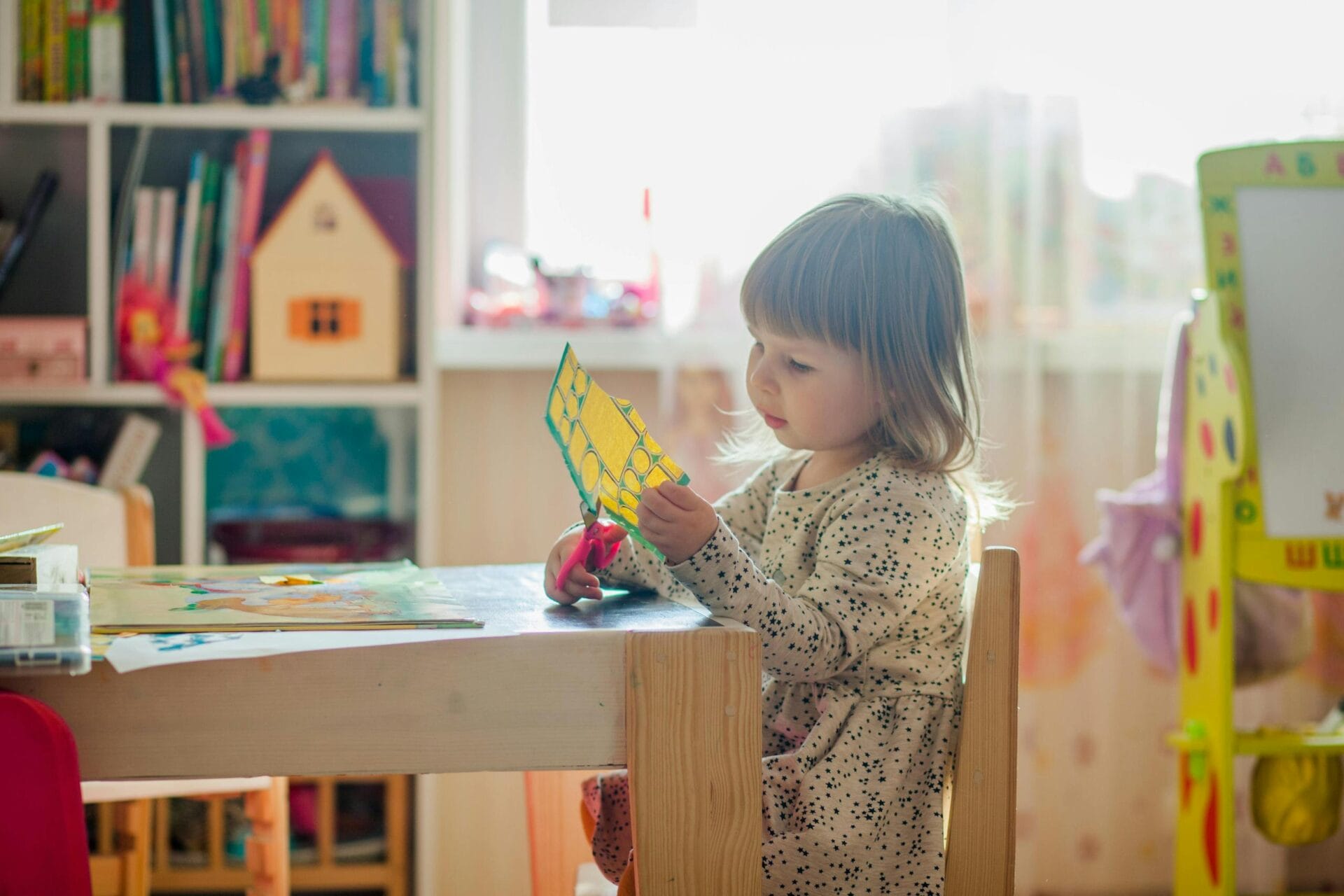
Clapping, dancing, and playing instruments strengthen both fine and gross motor skills. These physical abilities support everyday classroom tasks such as holding a pencil, cutting with scissors, and participating in physical activities.
Music-based movement activities help children develop balance, coordination, and body awareness, all of which contribute to overall confidence in a classroom environment.
Kindergarten Expectations in Maryland
Kindergarten programs across Maryland are designed to be welcoming and developmentally appropriate. However, there are certain basic skills that children are expected to begin developing before starting school.
To enroll in kindergarten in Maryland, children must be five years old by September 1 of the school year.
Before entering kindergarten, most children are encouraged to practice skills such as:
- Following simple directions
- Recognizing some letters and numbers
- Interacting positively with other children
- Managing basic self-care tasks like washing hands and using the restroom
Music-based early learning environments help children practice all of these abilities. Through songs, movement games, and group activities, children become familiar with routines and learn how to participate in a classroom setting.
Why Music Helps Children Transition to Kindergarten
The transition from preschool to kindergarten can feel like a big step. Children must adjust to new expectations, longer routines, and more structured learning environments.
Music helps ease this transition because it provides structure and predictability. Songs can guide classroom routines such as cleaning up, transitioning between activities, or gathering for group time.
Children who participate in music-centered activities often feel more confident in group settings. Because they have already practiced listening, following directions, and collaborating with others, they are better prepared for the kindergarten classroom experience.
Music also keeps learning fun. When children associate learning with joy and creativity, they are more likely to approach school with curiosity and enthusiasm.
What to Look for in a Preschool Program
If you want to ensure that music prepares kids for kindergarten, it is helpful to look for preschool programs that intentionally incorporate music and creative play into their daily routines.
When visiting preschools, parents should consider several important factors.
Play-Based Learning
Young children learn best through exploration and play. Look for classrooms that encourage movement, creativity, and hands-on learning.
Music Integrated Throughout the Day
Music should not only appear during occasional activities. Strong programs integrate songs, rhythm, and movement into daily routines and learning experiences.
Experienced Educators
Teachers trained in early childhood development understand how to use music, storytelling, and play to support developmental growth.
Safe and Engaging Classrooms
A welcoming environment with age-appropriate materials encourages children to explore and build confidence.
Positive Community Atmosphere
A supportive preschool community helps families feel connected and involved in their child’s learning journey.
Why Music Matters in the Early Years
Research continues to show that music plays a powerful role in early childhood development. Music experiences can improve language skills, strengthen memory, and help children regulate emotions.
When children participate in music activities, they also develop creativity and self-expression. Music gives children a way to communicate ideas and feelings even before they fully master language.
These early experiences help children develop resilience, curiosity, and confidence—qualities that support success throughout their education.
Most importantly, music makes learning joyful. When children associate learning with fun and creativity, they develop a lifelong love of discovery.
Helping Your Child Prepare for Kindergarten
Parents can support kindergarten readiness at home in many simple ways.
Try incorporating music into everyday activities by:
- Singing songs during routines like getting dressed or cleaning up
- Clapping rhythm games together
- Listening to music and dancing as a family
- Encouraging children to explore simple instruments
These playful moments help reinforce the idea that music prepares kids for kindergarten by building the skills they will use in school.
Preparing for kindergarten should feel like an exciting adventure for both parents and children. With the right experiences and a strong foundation in music, creativity, and play, your child will be ready to step confidently into their first year of school.