Music Education in Early Childhood: Why It Matters for Development
Music has a remarkable impact on people of all ages, but its influence during the early years is especially powerful. Music education in early childhood helps young children develop essential cognitive, emotional, and social skills while keeping learning fun and engaging.
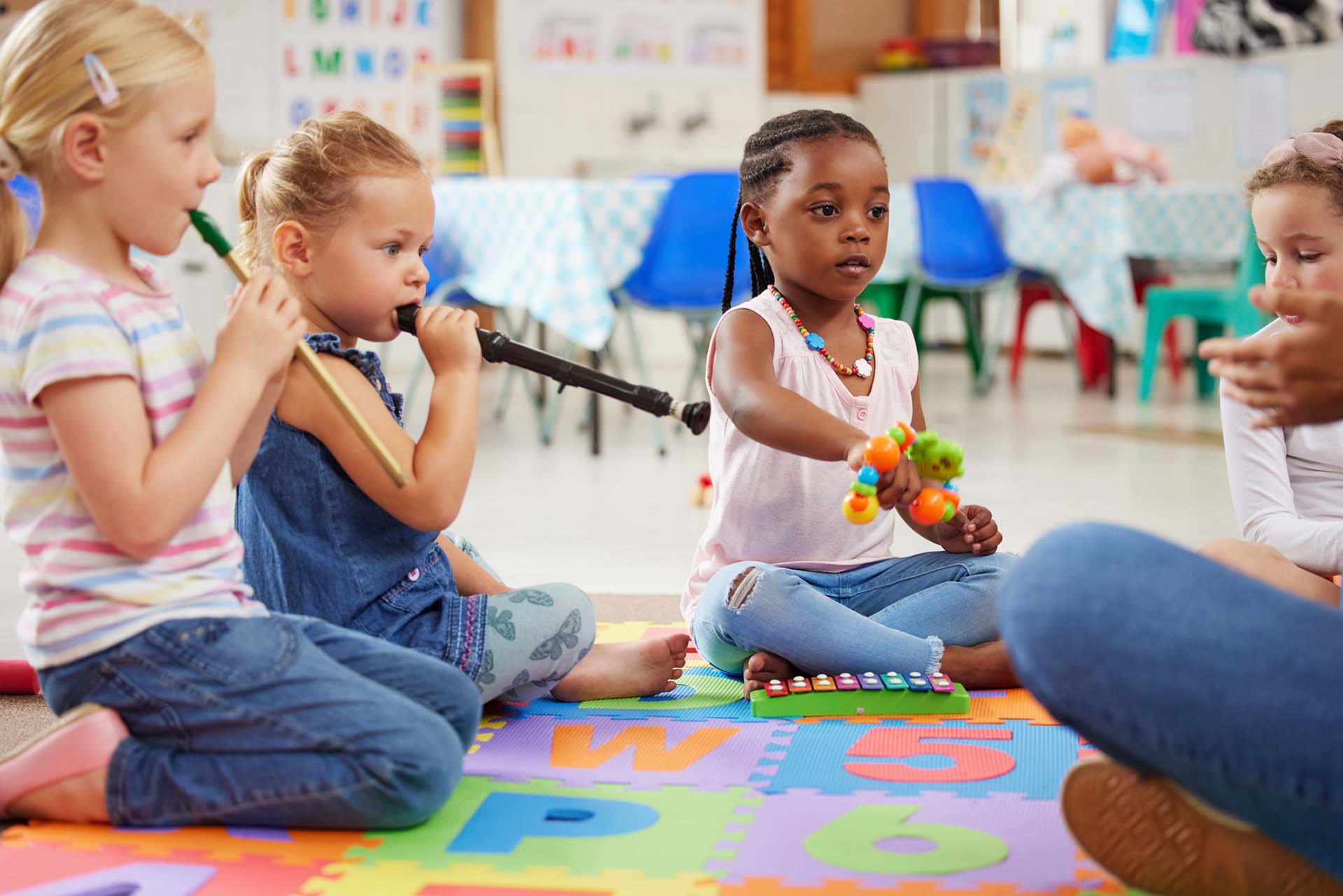
From singing simple songs to exploring instruments and moving to rhythm, music provides children with opportunities to learn naturally through play. These experiences support language development, strengthen memory, and help children build confidence as they grow.
Because young children learn best through hands-on experiences, music becomes a valuable tool for helping them explore the world and express themselves.
How Music Education Supports Brain Development
During the early years, a child’s brain is developing rapidly. Music stimulates multiple areas of the brain at the same time, making it an ideal learning activity for young learners.
When children participate in musical activities, they engage areas of the brain connected to memory, attention, and pattern recognition.
Here are several ways music education in early childhood supports brain development.
Strengthening Language Skills
Songs introduce children to new vocabulary and help them practice listening and speaking. Rhymes and rhythmic patterns support pronunciation and early reading readiness.
Children also learn to recognize syllables and sounds through repetition in music, which strengthens the foundation for literacy.
Supporting Early Math Skills
Music introduces patterns, beats, and counting sequences that help children understand basic math concepts. Clapping rhythms or counting beats in songs reinforces ideas such as sequencing and numerical patterns.
Improving Memory
Learning lyrics and melodies requires children to remember words, sounds, and patterns. These memory-building activities help children retain information in other areas of learning as well.
Music as a Tool for Emotional Expression
Young children often experience strong emotions but may not yet have the words to explain them. Music provides a natural outlet for expressing feelings.
Calming Music
Gentle melodies can help children relax during transitions, rest time, or quiet moments in the classroom.
Energetic Music
Upbeat songs encourage movement and physical activity, helping children release energy in a positive way.
Emotional Connection
Songs about feelings allow children to recognize and understand emotions, helping them develop emotional awareness.
Through these experiences, music education in early childhood supports healthy emotional development and self-regulation.
Building Social Skills Through Music
Music is often a shared experience, making it a great way for children to learn how to interact with others.
Group musical activities help children develop important social skills, including:
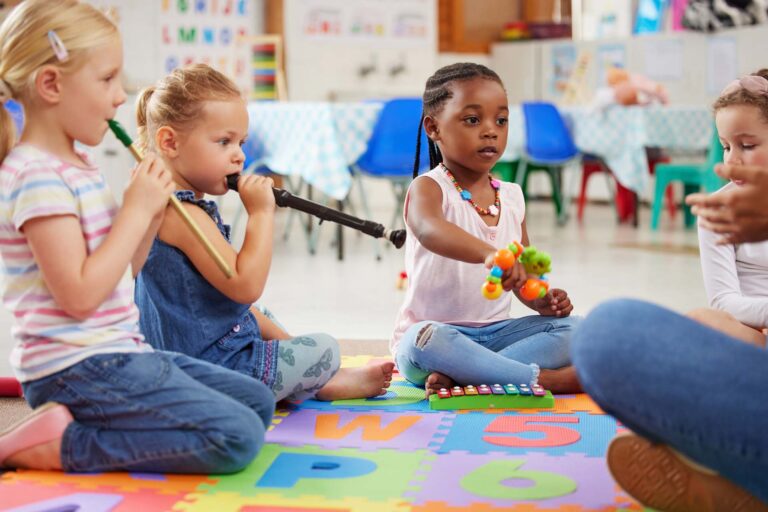
- Taking turns while playing instruments
- Listening to others during group songs
- Participating in cooperative activities
- Building confidence when performing or sharing ideas
These experiences teach children how to collaborate and communicate with their peers.
Encouraging Creativity and Imagination
Creativity is an important part of early childhood development. Music encourages children to explore ideas, experiment with sounds, and express themselves freely.
In a classroom that values music education in early childhood, children may:
- Create their own songs or rhythms
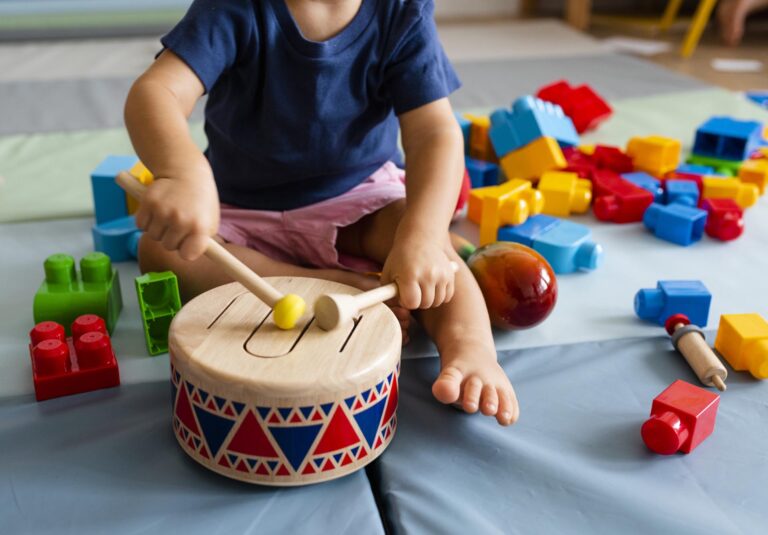
- Explore different musical instruments
- Move and dance to different styles of music
- Combine music with storytelling and imaginative play
These open-ended activities allow children to develop creativity while building confidence in their ideas.
Creating a Joyful Learning Environment
One of the greatest benefits of music in early childhood education is the joy it brings to learning. Music turns everyday classroom routines into engaging experiences.
Songs can be used to:
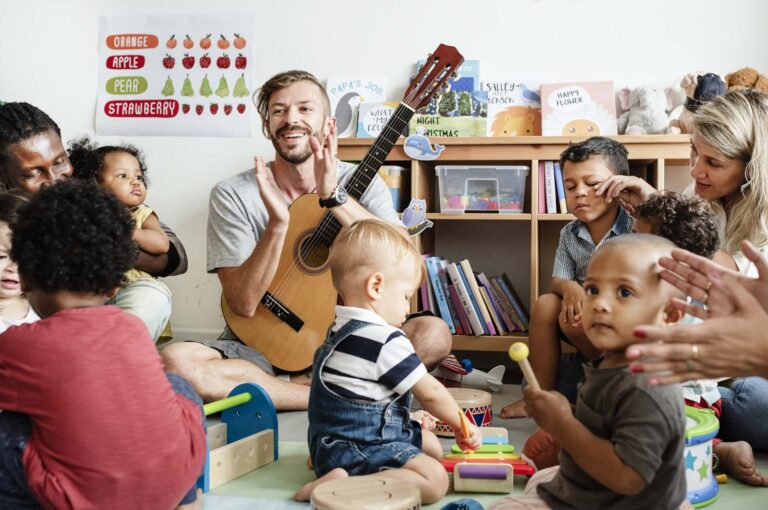
- Welcome children during morning circle time
- Transition between activities
- Encourage movement during group play
- Support quiet time and relaxation
Because music creates positive emotions, children begin to associate learning with excitement and curiosity. This positive attitude toward learning can continue throughout their academic journey.
Why Music Education Matters in the Early Years
Introducing music education in early childhood gives children a strong foundation for future learning and development. Music helps children build language skills, improve memory, develop social confidence, and explore their creativity.
Most importantly, music allows children to experience learning in a way that feels natural and enjoyable. When children are surrounded by rhythm, melody, and movement, they develop important life skills while discovering the joy of learning.
By supporting cognitive growth, emotional expression, and social interaction, music education becomes a powerful tool for helping young children thrive both inside and outside the classroom.